When we travel, we almost always have two lenses for our camera with us. One that is a general, versatile, lens that can cover most photographs that we take of tourist sites that we visit. The other is a zoom lens that we use to either get a closer view of cityscapes or especially to capture animals in the wild. Having a zoom lens is a great way to see animals up close without having to put yourself in danger or actually get that close to the animal your trying to capture on film. If you don’t have a zoom lens or even a DSLR camera, that doesn’t mean that you can’t get great zoom shots. If you get yourself a good pair of binoculars, you can actually take pretty good zoom shots with your cell phone. We first learned this trick when we were in Ecuador and our guide took photos for us on our phone using his binoculars. The same was true when we were in Panama and our guide once again helped us take photographs through one of the lenses of the binoculars. How ever you get them, getting those close up shots are always interesting.
Getting a Butterfly to Pose Isn’t EasyWe Didn’t Have to Climb the Tree to See the Three-Toed SlothTropical FlowerPalm TreeCell Phone Camera and Binoculars – We Didn’t Get the Camera Firmly Against the LensSame Photo with the Cell Phone and Binoculars with the Camera Firmly Against the Binocular LensWe Weren’t Going to Get Close to HimAnother Tropical FlowerSometimes They Come to YouHe Was Actually a Tiny Little GuyLeaf Cutter AntsWith a Cell Phone CameraFlower in the Jungle
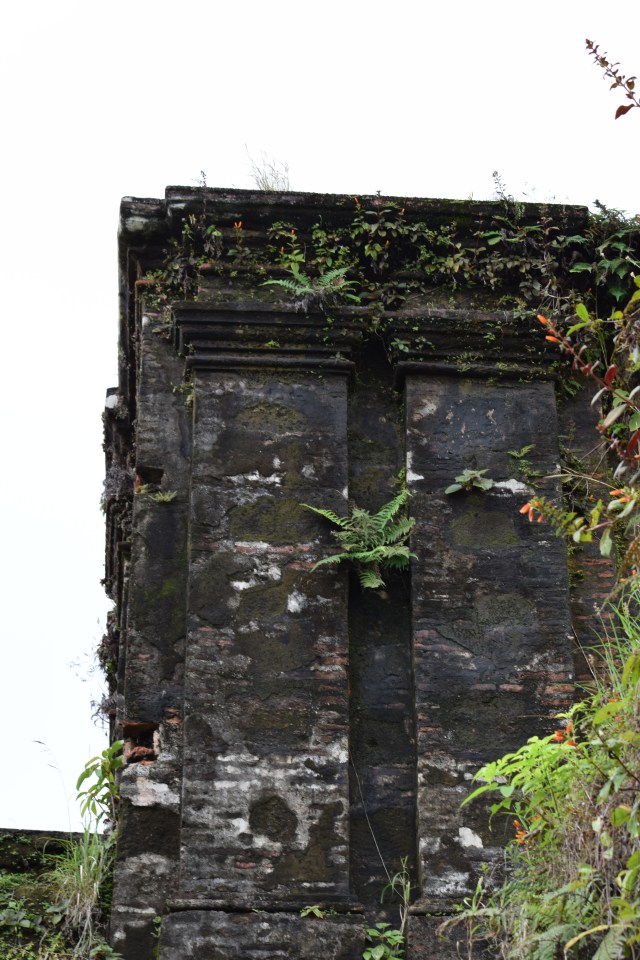
As far as historical points of interest within Panama, visiting Fort San Lorenzo is definitely a key site to visit. The Chagres River was a key method of transportation across the isthmus of Panama during the 1500’s as Spain used it to transport gold from its conquests in Mexico and South America to the Caribbean Sea where they could return it to Spain. It wasn’t long before pirates began attacking the ships as they made their way to the sea, so Spain built Fort San Lorenzo around 1560 to protect their ships from the pirates.
Walking Through the FortressThe Chagres RiverTower from a MoteRuins
The pirates that attacked the ships were not the ones of a Disney movie and were vicious and ruthless. Over the next 40 years, the fortifications at the fort continued to evolve as the fort became more secure. One of the first things that you notice as you visit the remains of the fort is that the canons all face inland and not towards the river. This is because the attacks on the fortress actually occurred from land as the pirates tried to take control of the high point above the river. The cliffs around the fortress are far too steep for anyone to attack the fort from the river. The fortress also has two motes around it providing the ability to trap attackers as the soldiers retreated into the interior walls.
Canon Standing GuardKeeping the Walls from CollapsingSeabird OverheadRain Heading Our Way
The fort was attacked and pretty much put into ruins in 1670 by the infamous pirate, Henry Morgan (from Captain Morgan rum fame). It was pretty much abandoned after that, but it was used as a prison during part of the 1700’s. Spain abandoned travel through the isthmus in favor of traveling around Cape Horn, but it became a popular route once again during the gold rush of 1848. The fort was made a UNESCO World Heritage Site in 1980 and is part of the current Panama Canal.
Anteater in a TreeNarrow Entrance from the MoteFortress WallMore Canons
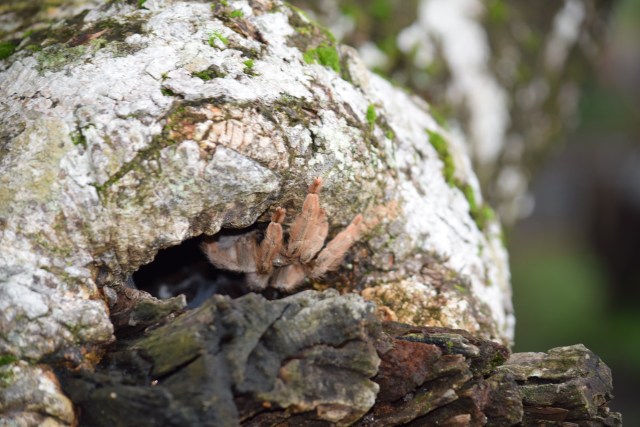
You travel through a national park on your way to the fortress and during our ride, we stopped several times to see monkeys, a tree sloth, and most interestingly, an anteater in the trees. We spent about an hour walking through the ruins and despite being a world heritage site, our group was all alone during our time there. Afterwards, we set up chairs underneath a tree to enjoy some lunch. We did have one visitor during our lunch as a tarantula poked his head out of a hole in the tree to see what we were eating. We would definitely recommend that you put Fort San Lorenzo on your itinerary when visiting Panama City.
Tarantula Joining Us for LunchArched Entrance and Moss Covered WallWhere Prisoners were HeldOne of the Remaining BuildingsMonkey Relaxing in a Tree
During our time in Panama, we had the opportunity to visit several restaurants that purported to have authentic Panamanian food. Much of it was seafood that is caught locally, but there were other choices as well. If you want something cold to wash down your food, there are several national beers to choose from that are very good. With all of the influences from various cultures, the cuisine of Panama City has become a melting pot of ethnic varieties. Although Spanish cooking dominates much of the food, French and American traditions can be found as well. We even ate fish prepared by a local indigenous family that was served to us in a banana leaf.
Lobster ThermadorNational BeerMixed Seafood in a Curry SauceCeviche with Plantains and Pineapple
One of first meals that we ate was at restaurant called Diablicos in Casco Viejo, which was recommended to us by our hotel. We went there for lunch, but at night there is a traditional dance show which gives the restaurant its name. If you decide to go for the show, there is a 2 drink minimum, but we decided that it was a little more touristy than what we would like. The food, however, was excellent and we had traditional ceviche as well as sausage empanadas. In addition to ceviche, another popular dish throughout the region is Corvina, a tropical saltwater fish, prepared several ways. We ate it at a couple of restaurants, one of them with a form of salsa on top. Another item on pretty much every menu were plantains, both sweet and savory, all of which were some of the best that we had eaten. To beat the heat, be sure to get yourself a scoop of cocoanut ice-cream.
Empanadas at Diablicos
Tamale CasseroleInside of the RestaurantCrab Linguini Served in a Crab Shell
Octopus or calamari can be found on almost every menu as well, whether you want it fried, grilled, or cooked in its own sauce. We also at a fried ceviche, which as a little unique as well. If you have the budget, lobster and crab can be found on some menus as well and it is quite delicious. At a restaurant called Casablanca, we ate a wonderful paella as well as steamed clams that were simply delicious. On our last day, we went out to the Causeway Islands and ate at The Buccaneer where we had a crab linguini and sea bass topped with more seafood and a cream sauce (basically like an Oscar).
Sea Bass with SeafoodPaella San Felipe
Fried CalamariPanama Lager
In addition to all of the wonderful restaurants, we also enjoyed craft beer at La Rana Dorada, which means the golden frog. We tried each of the beers that they offered and they were all delicious. We also tried most of the national beers including Balboa, Soberana, Panama Lager, and San Felipe. In addition to the beer, we also had local red and white wine that were quite good as well. We wanted to try some local rum, but we were so busy that we just never got around to ordering it.
Pilsner at La Rana DoradaSoberanaFish and Plantains at the Embera VillageOutdoor Cooking at the Village
For a true local experience, going to El Trapiche where you can get simple food cooked right. We had heard about the pork, beans, and rice dish that is a favorite of people who live in Panama City and we decided that we had to give it a try. It is actually made with pig tail, which is in the dish, but you don’t eat it as it is just there for flavoring. This restaurant was recommended to us by one of our guides and we certainly weren’t disappointed. Not only was the food very good, but the prices were about half of almost every other place that we went to during our stay.
Traditional Bean, Rice, and Pork StewCocoanut Ice-CreamSteamed ClamsFried Ceviche
If you travel to Panama City, you certainly won’t go hungry. Most of the restaurants in Casco Viejo, or the old town area, tend to be a little more trendy and cater to tourists, but the food is excellent. If you want to get away from the tourists, then take time to go to some places downtown where you can eat like a local. We even went to an Irish pub called the Blarney Stone as we are always interested in how the Irish pub traditions carry through to all cultures.