Discovering the Beauty and History of Alhambra Palace in Granada, Spain

We really enjoyed traveling around Southern Spain and one of the highlights of our trip was staying a couple of days in Granada and visiting the Alhambra fortress and palace. Before traveling to Spain, we weren’t aware of how much of influence the Moors had on the region. The Alhambra is a magnificent example of Moorish architecture and the colorful details are amazing. It is one of those rare locations where every corner that you walk around brings you a new and fascinating sight to see.

DSC02695
Open Courtyard
dsc02715
Garden in Alhambra
DSC02712
View from the Fortress Walls
DSC02694
Looking out from the Palace

In the late 15th century Ferdinand and Isabella used the Alhambra as their royal court. During that period, there were some changes to reflect the Renaissance tastes of the time. What is amazing is that they found the original beauty of the Islamic palace so beautiful that they didn’t destroy most of the existing structures, but just augmented it. The gardens that were added are still absolutely breathtaking and you could literally spend the entire day just walking around them.

DSC02592
One of the Many Gardens
DSC02594
Beautiful Garden
dsc02718
View of One of the Gardens
DSC02581
Another Courtyard

One of the most interesting features of the Alhambra is its use of water and the unique delivery system. Water is brought from an aqueduct and then runs down, even along the stairs, to feed the various fountains and ponds on the palace and fortress grounds. We enjoyed all of the fountains, but the Court of the Lions, with its fountain surrounded by stone lions is one of the most interesting.

dsc02714
Another Fountain in Alhambra
dsc02717
Water Coming Down One of the Chutes of the Aqueducts in Alhambra
DSC02699
Lion Fountain
IMGP4053
Looking over the Complex

You will definitely need a full day to see everything that the Alhambra has to view. There is the palace itself with its stunning mosaic walls and the fortress walls with the spectacular views of Granada. No matter what time of year that you visit the Alhambra, you will want to purchase your tickets weeks in advance or you won’t be able to get them. In order to maximize our time in the Alhambra, we ate lunch at the Hotel America that is actually located on the grounds of the Alhambra. The food and atmosphere was amazing and was well worth the somewhat higher prices.

DSC02720
Enjoying Lunch
DSC02719
Restaurant Courtyard
DSC02756
Looking Up at the Outside of the Alhambra
DSC02700
Moorish Architecture

No visit to Granada would be complete without a visit to the Alhambra. Washington Irving made this palace and fortress famous in his book Tales of the Alhambra and it is definitely deserving of the notoriety. The history of the Alhambra is so fascinating that we definitely recommend getting a book on it as there are so many interesting facts to learn about the wonderful place. This UNESCO World Heritage Site is definitely worthy of the honor.
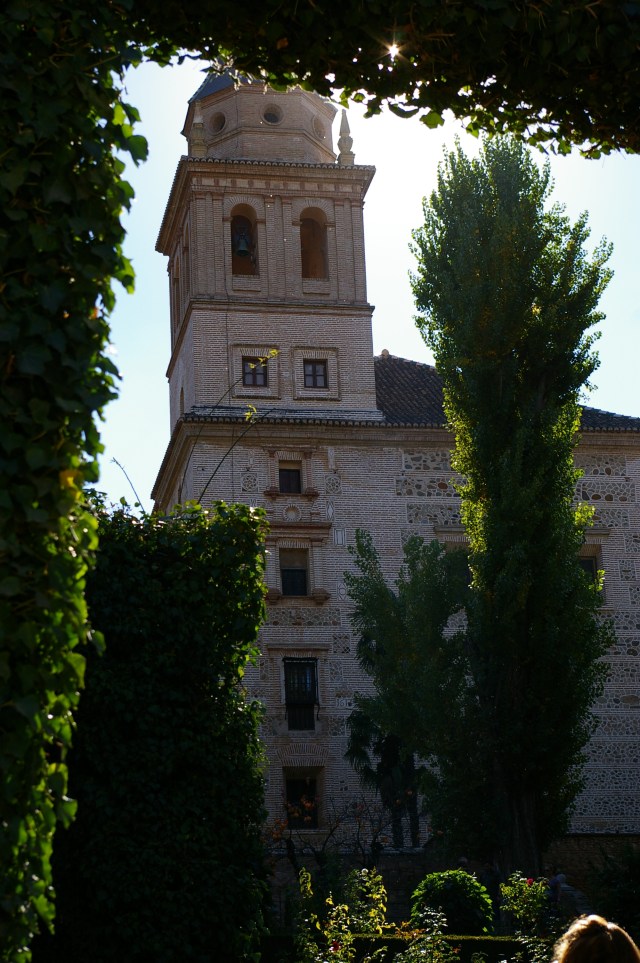
IMGP4043
View of One of the Towers at Alhambra
IMGP4051
Looking out over Granada
IMGP4047
Fortress Walls
DSC02735
Walking the Fortress Walls

Ajuda Palace and Royal Treasure Museum in Lisbon, Portugal

One of the fascinating places that we visited while we were in Lisbon was the Ajuda Palace that is located near the Belém neighborhood. It might have been due to the day that we visited, but we were surprised to find that there weren’t many people touring the palace while we were there. The palace was built on the hillside after the earthquake of 1755, but it was never truly completed due to Napoleon invading Portugal and the royal family escaping to Brazil. Even if it was not as grand as the royal family may have wanted, today it is certainly an enjoyable place to visit and see all of the grand rooms and artwork located in the museum.

Detailed Tapestry
Dining Room
Office with Realistic Dog Statue
Paintings on the Ceilings of One of the Rooms
Velvet Throne

As you walk through the palace, all of the rooms are ornately decorated with many beautiful details. Of particular interest for us were the intricate tapestries that hung on the walls of many of the rooms and the ceilings that changed with every room that we entered. Also, because it does sit high on one of the many hills of Lisbon, the views are quite stunning whether looking out of the palace’s windows and walking the palace grounds. As far as historical buildings that are used as a museum to display the furniture, art, and other items of the wealthy leaders of a country, this was truly quite stunning.

Statue of a Woman with a Goose
Ornate Vase
Entering the Palace
Hunting Tapestry
Artwork in the “Blue” Room

Although most of the tourist locations in the Belém neighborhood are located on the water, it is definitely worthwhile to make your way up the hill to take a self-guided tour of the Ajuda Palace and Royal Treasure Museum. It took us about an hour to walk through the rooms and enjoy all of the beautiful objects located within and that gave us plenty of time to enjoy some food at one of the many restaurants located in Belém.

Smaller Dining Room
Marble Statue
Photographs on a Piano
Roman Tapestry
Statue of a Child with Toys

The Romantic Pena Palace in Sintra, Portugal

We took a single day trip outside of Lisbon during our recent trip that included visiting the UNESCO World Heritage site, Pena Palace. We definitely recommend adding a trip to Sintra on your itinerary when visiting Lisbon as it is well worth the time that it takes. We pre-purchased the tickets, which we would recommend, and visitors are only allowed to enter at the start of the hour that you are assigned for your ticket. Even though the number of visitors per hour are limited, it is extremely busy and you will find yourself in a line as you walk through the palace.

Chapel from the Distance
Crowds on the Balconies
View from Below

The palace was originally a monastery that was converted to a palace in the 19th century and the monks moved to the monastery that is located in the Belém neighborhood of Lisbon. One of the unique things about the palace are the multiple colors of the palace with the original chapel being red and then the new additions to the palace being bright yellow. The palace is a Romanticist castle and sits atop one of the high hills of the Sintra mountain with the town of Sintra sitting below. The castle can be seen from the distance, making for quite a stunning site as you approach from the parking area below.

Clock Tower
Artwork in the Chapel
Another View of the Palace

Our guide took us in towards the end of the group entering during our allotted time in order to give more time to talk to us about the history of the castle and describe some of the interesting features. Considering the lines moving through the rooms, it actually worked out well to be near the rear of the line. Of the many things that we saw during the tour was a detailed stained-glass window in the chapel that has the king holding a miniature image of the cathedral and if you zoom in on the window of the chapel it actually has the stained-glass window in it. That type of detail is truly amazing and a testament to the workmanship of the artists that created the stained-glass window.

Stained-Glass (Chapel in the Glass Circled in Red)
Window within the Window
Dining Room Table

It takes a little over an hour to walk through the palace and enjoy the views from the balconies. Despite the long line and having to slowly follow the crowd through the palace rooms, it was definitely worth spending the time at Pena Palace. We would recommend visiting the palace in the morning and then heading into the town of Sintra for some lunch afterwards. A trip to Sintra is often combined with a visit to Cascais as well, which is a wonderful resort town on the coast of the ocean.

View from the Balcony
Colorful Pena Palace
Walking Around the Palace
Gateway to the Palace
Bright Yellow Tower
Details on the Window
Mural Inside of the Palace
Another Room
Courtyard in the Pena Palace