The Wealth of History and Culture on Display at the Museum of Egyptian Antiquities in Cairo

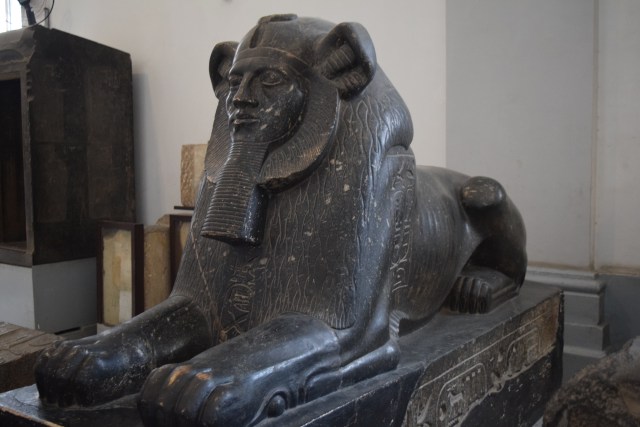
No visit to Cairo, Egypt would be complete without making time to tour the Museum of Egyptian Antiquities. As with many other sites in Egypt, having an Egyptologist as a guide is extremely helpful if you want to learn as much as possible during your time in the museum. There are so many items on display within the museum that it can be quite overwhelming. In addition to the sarcophaguses, papyrus hieroglyphs, and pieces of art, there are several dramatic statues housed within the museum.

DSC_6437
Museum Center Hall
DSC_6491
Sarcophagus
DSC_6478
Sphinx Statue
DSC_6426
Enormous Statues
DSC_6434
Pyramid

Obviously, much of the treasures of Egypt can be found in museums throughout the world including the British Museum and the Smithsonian Museum. Even if you have visited one of these other museums and seen the treasures, such as the golden articles found in King Tutankhamen’s tomb, it is certainly worth going to the Museum of Egyptian Antiquities in Cairo. Seeing these artifacts on display in their own country is certainly a source of national pride for Egypt. For years, they have been trying to reacquire as many of the treasures and statues as they possibly can.

DSC_6495
Papyrus Hieroglyphs
DSC_6505
Beautiful Artwork
DSC_6418
On the Museum Grounds
DSC_6432
Elaborate Casket
DSC_6490
Unique Statue

To truly enjoy and see a majority of the museum will take you the majority of a full day. At the very least, you should plan on about four hours and that will likely be at a fairly brisk pace.

DSC_6466
Figurines Featuring Daily Life
DSC_6441
So Many Statues
DSC_6464
Papyrus Art
DSC_6435
Details Carved in Stone
DSC_6422
Not the Rosetta Stone

Visiting Aphrodisias in Turkey is Worth the Effort to Go a Little Further

One of the day trips that we took from Kusadasi in western Turkey was to see the Greek ruins at Aphrodisias. Of all of the ruins that we visited, Aphrodisias was actually our favorite even though it is not as excavated as the ones at Ephesus. The cruise ships don’t typically do tours to Aphrodisias, so you will not be surrounded by crowds and will be able to get up close to all of the different sites within the area. The ancient city gets its name from the Temple of Aphrodite that is located at the site, but one of things that makes Aphrodisias so unique is that was the location of the school where artists learned to carve statues, so there is a museum featuring many statues that the students had created.

Memorial Gateway, Tetrapylon
Amphitheater or Bouleuterion
Columns of the Temple
Classical Bust Done by a Student
Very Large Stadium for Chariot Races
Walking the Grounds
View of the Agora from an Overlook

As with many ancient Greek cities, it was later occupied by the Romans who built a large stadium for chariot races as well as Bouleuterion or amphitheater for the leaders to give speeches as well as to hold performances. Unfortunately, because the site doesn’t attract as many tourists, it hasn’t been as restored as other more famous locations. It has also suffered from several catastrophic earthquakes throughout its history, but what has been restored is truly quite stunning.

A Soldier’s Remains in the Museum
Another View of the Tetrapylon
Interesting Architecture
Many Statues
Reliefs on a Wall Near the Museum
Seats in the Stadium
Statue Amongst the Ruins

We would highly recommend visiting Aprhodisias when staying in either Kusadasi or Izmir as it is definitely worth taking time to see. From the monumental gateway, tetrapylon, the Temple of Aphrodite, the stadium, and the museum, there is enough to see to take at least a couple of hours walking amongst the ruins. As with any historical location, it is also a good idea to have a guide who can explain the history and culture of the city. Even in its current condition, one can certainly imagine what it would have looked like during the times of the Greeks and Romans who originally built it.

Looking Up at the Gateway Arch
One of the Many Carvings
Temple of Aphrodite
Wall Full of Carvings in the Museum
Pomegranate Tree
View of the Amphitheater
Getting a Sense of the Scale of Aphrodisias
Interesting Carving of a Family
Looking Up at the Columns of the Temple

Discovering the Beauty and History of Alhambra Palace in Granada, Spain

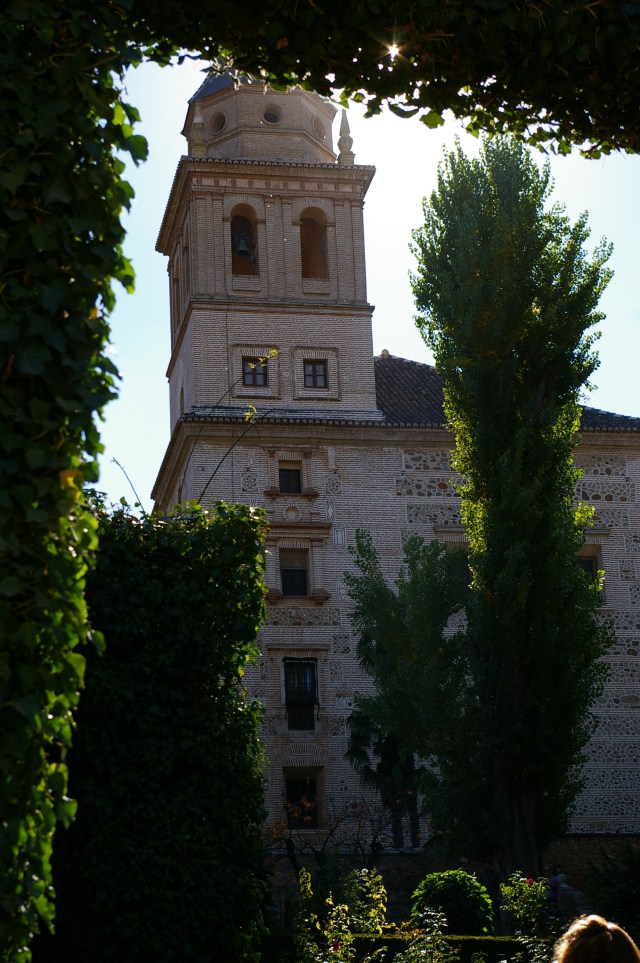
We really enjoyed traveling around Southern Spain and one of the highlights of our trip was staying a couple of days in Granada and visiting the Alhambra fortress and palace. Before traveling to Spain, we weren’t aware of how much of influence the Moors had on the region. The Alhambra is a magnificent example of Moorish architecture and the colorful details are amazing. It is one of those rare locations where every corner that you walk around brings you a new and fascinating sight to see.

DSC02695
Open Courtyard
dsc02715
Garden in Alhambra
DSC02712
View from the Fortress Walls
DSC02694
Looking out from the Palace

In the late 15th century Ferdinand and Isabella used the Alhambra as their royal court. During that period, there were some changes to reflect the Renaissance tastes of the time. What is amazing is that they found the original beauty of the Islamic palace so beautiful that they didn’t destroy most of the existing structures, but just augmented it. The gardens that were added are still absolutely breathtaking and you could literally spend the entire day just walking around them.

DSC02592
One of the Many Gardens
DSC02594
Beautiful Garden
dsc02718
View of One of the Gardens
DSC02581
Another Courtyard

One of the most interesting features of the Alhambra is its use of water and the unique delivery system. Water is brought from an aqueduct and then runs down, even along the stairs, to feed the various fountains and ponds on the palace and fortress grounds. We enjoyed all of the fountains, but the Court of the Lions, with its fountain surrounded by stone lions is one of the most interesting.

dsc02714
Another Fountain in Alhambra
dsc02717
Water Coming Down One of the Chutes of the Aqueducts in Alhambra
DSC02699
Lion Fountain
IMGP4053
Looking over the Complex

You will definitely need a full day to see everything that the Alhambra has to view. There is the palace itself with its stunning mosaic walls and the fortress walls with the spectacular views of Granada. No matter what time of year that you visit the Alhambra, you will want to purchase your tickets weeks in advance or you won’t be able to get them. In order to maximize our time in the Alhambra, we ate lunch at the Hotel America that is actually located on the grounds of the Alhambra. The food and atmosphere was amazing and was well worth the somewhat higher prices.

DSC02720
Enjoying Lunch
DSC02719
Restaurant Courtyard
DSC02756
Looking Up at the Outside of the Alhambra
DSC02700
Moorish Architecture

No visit to Granada would be complete without a visit to the Alhambra. Washington Irving made this palace and fortress famous in his book Tales of the Alhambra and it is definitely deserving of the notoriety. The history of the Alhambra is so fascinating that we definitely recommend getting a book on it as there are so many interesting facts to learn about the wonderful place. This UNESCO World Heritage Site is definitely worthy of the honor.

IMGP4043
View of One of the Towers at Alhambra
IMGP4051
Looking out over Granada
IMGP4047
Fortress Walls
DSC02735
Walking the Fortress Walls