Temple of Kom Ombo Outside of Aswan, Egypt

On the evening of our last full day of our cruise down the Nile River, we visited the Temple of Kom Ombo. Although it was not the largest of temple complexes that we saw during our time in Egypt, it was still fascinating. The southern part of the temple is dedicated to the crocodile god Sobek. Although crocodiles are not often found north of the new Aswan dam anymore, they used to prevalent in the area. There is even a Crocodile Museum at the site with crocodile mummies that are quite unique. The northern part of the temple is dedicated to the falcon god Horus and his image can be found on many of the hieroglyphs within the temple.

DSC_5784
View of the Temple
DSC_5856
Image of Horus
DSC_5793
Colorful Column
DSC_5776
Approaching Kom Ombo

As with many different sites that we visited in Egypt, to get to the temple you wind your way through a variety of locals selling trinkets and children begging for money. Once inside the temple grounds, as you walk amongst the columns, the evidence of previous floods is very evident by the color variations on the walls. Because the temple sits so close to the banks of the Nile River, it has been damaged and mostly destroyed many times throughout history by both floods as well as earthquakes. Despite that fact, the temple has been mostly restored and there are even some hieroglyphs that retain some pigments of color.

DSC_5867
Temple Tower
DSC_5848
Sobek, the Crocodile God
DSC_5821
Colorful Hieroglyphs
DSC_5781
Stalls Along the Shore

With all of the different cruise ships that were at the temple when we visited, it was quite crowded when we arrived. On the bright side, since it was almost sunset, we had a slight break from the overwhelming heat. The temple was originally built around the Ptolemaic dynasty, somewhere between 180 and 47 BC. As with most of the temples in Egypt, the stories on the walls and columns of Kom Ombo depict specific histories of the gods, but many of them were unique to the local people of the area.

DSC_5846
Lotus Columns
DSC_5834
Relief of a Lion
DSC_5829
Walking Through the Temple
DSC_5844
Looking Up Inside of the Temple
DSC_5805
Another Image of the Crocodile God, Sobek

The Banks of the Nile

Cruising down the Nile River from Luxor to Aswan when we were in Egypt was a wonderful experience. Obviously there were the temples that we visited along the way, but just cruising on the Nile was relaxing and wonderful. It was a great way to beat the heat and most of the cruise ships have a pool on the upper deck to help you cool off. The shoreline is covered with tropical trees and plants, but the desert is clearly visible not far in the distance. It is amazing how narrow the actual vegetation actually is and how hard life must be for those people who live along the banks.

DSC_5743
Children Swimming by the Shore
DSC_5726
Hut on the River Bank
DSC_5767
Boat on the River
DSC_5443
Valley of the Kings from the River
DSC_5720
Looking Down the River

As the ship cruised down the Nile, children would run to the shore and wave at the passengers excitedly. Other times, we saw children swimming and splashing near the shore, doing their best to get out of the heat as well. Occasionally we would see some boats with fisherman, but the ship usually sailed in the afternoon and was docked in the morning, so we weren’t on the water when most fisherman would be out. Although we saw plenty of feluccas in Cairo, most of the boats, other than other cruise ships, were much simpler.

DSC_5740
Sailboat Crossing the Nile
DSC_5763
Families Playing in the Water
DSC_5745
Water Buffalo with a Bird on His Back
DSC_5749
Boats on the Shore
DSC_5721
Desert Behind the Tropical Vegetation

Seeing the Temple of Kom Ombo in the afternoon after we left Edfu, was truly incredible. We could see the temple columns off in the distance as we rounded one of the river bends and it loomed larger the closer that we came to the dock. Other than the many sunsets that we saw, the temple was probably the most fascinating sight that we saw. We spent four days and three nights on the cruise and every day brought different and yet similar views of the shoreline.

DSC_5756
First View of the Temple
DSC_5457
One of Many Sunsets
DSC_5774
Temple of Kom Ombo
DSC_5410
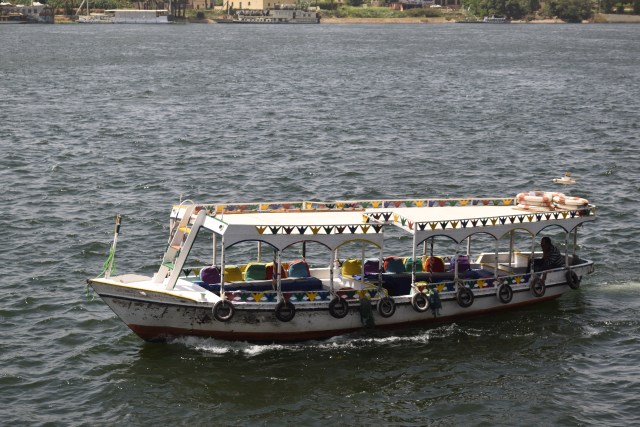
Local Tour Boat
DSC_5700
Pool on the Deck

For anyone visiting Egypt, we would recommend taking a cruise down the Nile River. The cruises go both directions, either from Luxor to Aswan or from Aswan to Luxor. It is possible to do the tour by land, but we feel that if you have the time, going by ship is far better. We were fortunate that our tour company booked us on one of the nicer cruise ships and we enjoyed our time onboard very much.

DSC_5428
Another Hut on the Shore


DSC_5728
Desert Looming
DSC_5727
Grove of Palm Trees
DSC_5748
Splashing and Swimming
DSC_5711
Livestock Grazing in the Marsh


Step Pyramid in Saqqara, Egypt

The Pyramid of Djoser, or Step Pyramid, is an ancient pyramid in the Saqqara Necropolis. It is located about an hour outside of Cairo and we toured it as part of trip to the Giza plateau. Although most people associate the pyramids of Egypt with the smooth sided Great Pyramids, step pyramids were the predecessors to such technology. There are other temples and burial grounds to be seen around the Step Pyramid, but as with Dahshur, there are not nearly as many visitors as at the Great Pyramids.

DSC_6168
Exploring the Site
DSC_6213
Ancient Wall
DSC_6150
A Crumbing Tomb
DSC_6130
Step Pyramid

The Step Pyramid was built around the 27th century BC and is considered the earliest large cut-stone in the world. Tourists are able to descend down the tunnel that leads to an ancient tomb, which is just an empty chamber with hieroglyphs today. It can be extremely hot, so be sure to drink plenty of water and be prepared for cramped quarters as you walk down the tunnel that has had a ramp and railings added for safety reasons.

DSC_6198
Steep Tunnel
DSC_6172
More of the Complex
DSC_6192
Hieroglyphs in the Tomb Chamber
DSC_6218
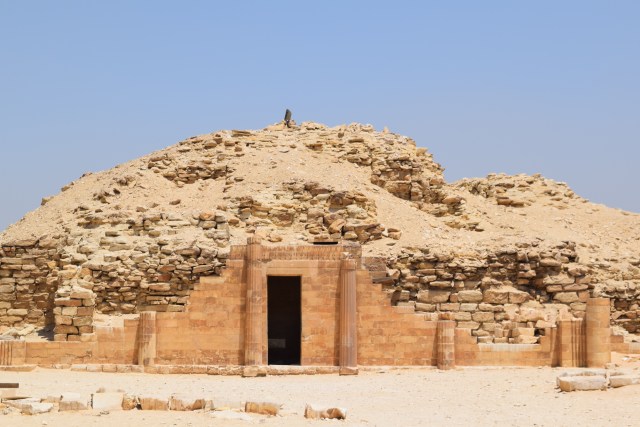
Ancient Doorway

Walking around the entire complex was very interesting and it is a shame that more people do not visit. The site was looted during the uprising in 2011, but fortunately the monuments were left relatively unharmed. For anyone who is visiting Cairo, Saqqara should definitely be one of the top sites to see during your time there.

DSC_6142
Another View of the Pyramid
DSC_6169
Weathered Statue
DSC_6144
Restorations Under Way
DSC_6151
Repair Work to Stabilize the Pyramid